
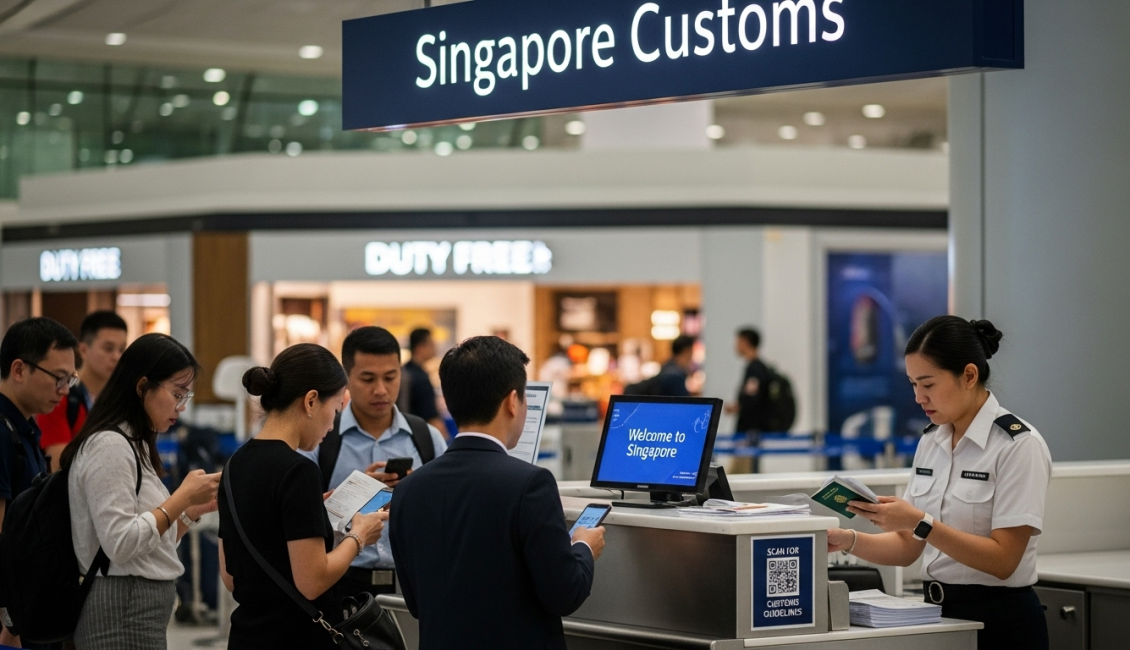
Why 2025 is a pivotal year for logistics in Singapore
Singapore remains a leading regional trade hub, but the operating environment is shifting. Global trade volatility, tighter compliance expectations, and rapid digital adoption mean businesses must revisit how they handle singapore customs clearance and singapore supply chain solutions. This practical guide distils the most important trends and actionable steps for importers, exporters, and logistics managers operating in Singapore in 2025.
Key trends shaping customs clearance and supply chains
- Digital-first processing: Electronic declarations, API integrations, and pre-arrival filing are now baseline expectations for faster clearance. Government and port systems continue to prioritise interoperability.
- Resilience and nearshoring: Regional sourcing and multi-sourcing strategies reduce single-point failure risk.
- Sustainability requirements: Green transport and packaging are increasingly factored into tenders and regulatory expectations.
- Trusted-trader programs: Schemes such as Authorised Economic Operator (AEO) deliver clearance speed and lower inspection rates for compliant companies.
- Real-time visibility: IoT and cloud platforms give operational teams the visibility needed to manage exceptions before they become costly delays.
Practical compliance essentials for smoother singapore customs clearance
To reduce inspection delays and unexpected fees, focus on fundamentals:
– Correct commodity classification: Use the right HS codes and keep product descriptions precise. Misclassification is a common cause of penalties.
– Accurate valuation and origin documentation: Ensure invoices, packing lists, and certificates of origin (COO) match the declared values and descriptions. FTAs and preferential tariffs depend on robust COO documentation.
– Licences and permits: Controlled goods (pharmaceuticals, chemicals, strategic items) require permits. Cross-check regulatory lists early to avoid last-minute holds.
– Tariff reliefs and concessions: Singapore’s network of FTAs can lower duties — claim these where eligible by preparing supporting documents in advance.
– Maintain audit-ready records: Digital records that align to regulatory requirements shorten audits and help when claiming refunds or duty relief.
Documentation checklist — prepare these before arrival
- Commercial invoice with clear item breakdown and HS codes
- Packing list and bill of lading/air waybill
- Certificate of origin or preferential origin documentation
- Import/export permits for controlled goods
- Purchase orders and payment proofs where required
- Any product-specific compliance certificates (e.g., health, safety, environmental)
Add these documents to your digital submission package to speed up the review process and be ready for any documentary queries.
Speeding up clearance: step-by-step tactics
- Pre-lodge declarations: File import declarations and required permits before the cargo arrives to shorten terminal dwell time.
- Use authorised channels: Integrate with TradeNet or other government single-window systems to reduce manual rekeying.
- Obtain trusted trader status: Apply for AEO and similar programmes; consistent compliance often pays back through faster release times.
- Harmonise data: Ensure your ERP, WMS and freight partner systems use consistent item descriptions and HS codes to prevent mismatches.
- Establish a customs contingency plan: Build SOPs for inspections, rework, and urgent releases so teams act quickly when clearance stalls.
Leveraging technology in singapore supply chain solutions
Digital tools are no longer optional — they’re differentiation. Invest where you’ll see immediate ROI:
– Cloud TMS and WMS: Centralises transport planning, yard management and inventory visibility.
– API integrations with customs and carriers: Automate filing, status updates and e-document exchange.
– Track-and-trace with IoT: Monitor container conditions and ETA changes to manage exceptions proactively.
– Data analytics and dashboards: Use exceptions analytics to identify recurring bottlenecks and reassign resources.
– Blockchain pilots for provenance: For high-value or regulated goods, distributed ledgers can reduce document disputes and validate origin claims.
Cost-control and duty-saving strategies
- Re-evaluate INCOTERMS: Clear responsibilities reduce disputes and allow you to optimise where duties and taxes are charged.
- Consolidation and deconsolidation: Group shipments where speed allows; split where local fulfilment benefits last-mile costs.
- Bonded warehousing and FTZs: Hold inventory in bonded facilities to defer or avoid duty until goods are sold or routed elsewhere.
- Preferential trade claims: Regularly review supplier documentation to ensure you’re claiming all applicable FTA benefits.
- Post-entry audits: Periodic reviews of past declarations can uncover refund opportunities and classification corrections.
Choosing partners: what to look for in 2025
- Local customs expertise: Deep knowledge of singapore customs clearance processes and regulator relationships shortens problem resolution time.
- Digital maturity: Partners that can exchange structured data and offer portals reduce manual work and errors.
- Network and consolidation capability: A logistics partner with regional consolidation hubs helps reduce per-unit freight costs.
- Performance transparency: Contract SLAs should include release times, dwell time metrics, and exception response windows.
- Sustainability commitments: Carriers and warehouses with green certifications help meet customer and regulatory expectations.
(Examples of partner capabilities to explore: customs clearance, supply chain solutions, trade documentation, freight consolidation, AEO programme).
Warehousing and last-mile considerations for Singapore
Singapore’s urban density and high service expectations make agile warehousing essential:
– Micro-fulfilment close to population centres shortens last-mile times and reduces transport emissions.
– Cross-dock and rapid transhipment capabilities at PSA terminals reduce storage costs and improve throughput.
– Temperature-controlled and pharma-compliant facilities must be audited to meet Singapore’s strict regulatory expectations for health products.
A practical 90-day implementation plan
- Days 1–15: Map your current import/export processes, identify recurrent delays and list documents causing most exceptions.
- Days 16–45: Prioritise quick wins — correct HS codes, centralise documents, and start API integrations with key carriers.
- Days 46–75: Apply for trusted trader status where eligible and pilot a TMS or visibility layer on a single lane.
- Days 76–90: Roll out process changes, train teams on SOPs for inspections and exceptions, and begin regular performance reviews.
Measuring success: KPI suggestions
- Average clearance time (hours)
- Terminal dwell time (days)
- Percentage of shipments pre-lodged
- Cost per TEU or cost per SKU moved
- % of shipments using preferential tariff claims
- Number of customs discrepancies per quarter
Final notes — making 2025 the year you streamline operations
Singapore’s logistics landscape rewards companies that combine rigorous compliance with modern digital processes. Focus on accurate documentation, trusted-trader status, API-enabled workflows and the right partner mix to accelerate singapore customs clearance and transform your singapore supply chain solutions. With these priorities in place, you’ll reduce delays, lower costs, and be better positioned to scale across the region.