
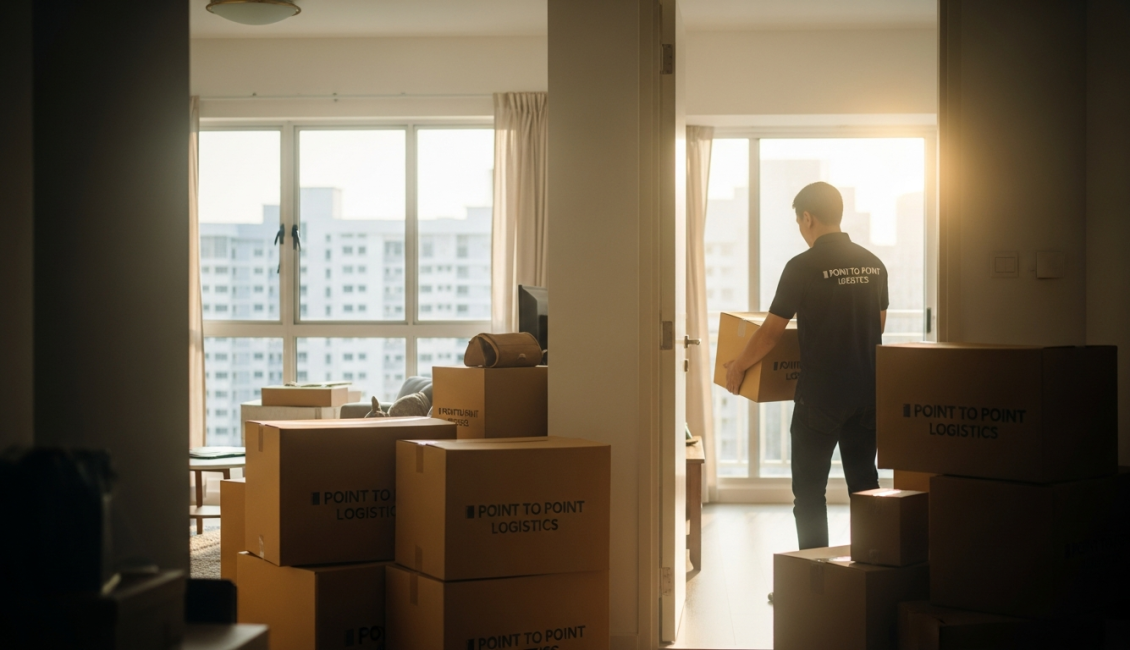
Singapore residents are increasingly prioritising efficiency, sustainability and predictability when they move. In 2025, choosing the right household mover and understanding modern point-to-point logistics can cut costs, reduce downtime and give you greater peace of mind. This guide unpacks what to expect from movers in Singapore, how point-to-point logistics works in a dense urban environment, and practical steps to plan a smooth relocation.
Why a specialised household mover matters in Singapore
Moving in Singapore presents unique challenges: narrow HDB corridors, high-rise lifts, strict building rules, and busy roads. A specialist household mover understands local regulations, peak-hour constraints and building management requirements. They also provide tailored packing techniques for small-unit living and valuable items.
When researching options, search for experienced teams that offer transparent quotes, written inventories and insurance options. A trusted provider will explain volume-based pricing, disassembly/reassembly services and any permit needs. For more information on service options and local coverage, consider resources like household mover singapore which outline competitive service packages and customer-first processes.
What is Singapore point to point logistics and why it matters
Point-to-point logistics refers to direct, door-to-door transport of goods from origin to destination without intermediate warehousing or consolidation. In Singapore’s context, this means faster transit times, fewer handling events (reducing breakage risk) and clearer responsibility lines for the mover.
For households relocating between islands of Singapore or shifting between homes within the city-state, efficient singapore point to point logistics reduces waiting windows and simplifies scheduling. This model is especially useful for time-sensitive moves, same-day relocations and customers who prefer minimal storage and handling.
Key services modern movers offer (what to look for)
A contemporary household mover will bundle multiple services to streamline your move:
- Professional packing with itemised inventories and fragile-only crating.
- Disassembly and reassembly of furniture, plus fit checks for narrow staircases or lift sizes.
- Short-term storage solutions and climate-controlled warehousing if needed.
- Insurance options that cover loss or damage during transit.
- Real-time tracking and digital checklists to keep you informed.
If you value a direct, faster transfer, ask whether the company offers dedicated point-to-point service vehicles and committed time slots. These options minimise double-handling and speed up delivery on moving day.
How technology and sustainability are shaping moves in 2025
The moving industry in Singapore has embraced several trends that improve service and reduce environmental impact:
- Route optimisation algorithms reduce transit time and fuel use by choosing the fastest, least-congested paths.
- Electric and hybrid small trucks and cargo bikes are being adopted for last-mile deliveries in dense neighbourhoods to lower emissions and meet urban access rules.
- Digital check-ins and QR-coded inventories replace paper forms, improving accuracy and accountability.
- IoT-enabled crates and GPS tracking provide real-time status updates and estimated arrival windows.
- Reusable packing kits and eco-friendly packing materials reduce single-use waste.
When evaluating providers, prioritise movers who publish their sustainability commitments and can demonstrate route-optimisation or low-emission fleet practices. These measures often translate into better reliability and lower incidental costs over time.
Cost drivers and how to compare quotes
Understanding what influences a quote helps you compare like-for-like offers:
- Volume vs item count: Some movers price by cubic metres, others by manpower or hourly rates.
- Distance and accessibility: Tight staircases, long walks from truck to door, or restricted lift times add labour charges.
- Time of move: Weekends, month-end and public holidays usually carry premiums.
- Additional services: Packing materials, assembly, insurance, vehicle permits and storage are often add-ons.
Ask for a detailed written estimate and an itemised breakdown. Compare companies on total value — not just headline price. A slightly higher quote that includes professional packing, transit insurance and an accurate lead time can avoid costly surprises.
Practical checklist to prepare your home for moving day
A proactive approach shortens moving day and reduces stress. Use this checklist:
- Declutter early: Sell, donate or recycle items you no longer need to reduce volume.
- Label boxes by room and include a brief contents list on each box.
- Measure large furniture and new doorways/lifts to ensure fit.
- Prepare an essentials box (documents, chargers, basic kitchen items) and carry it yourself.
- Confirm elevator booking slots and building move-out/move-in requirements with town council or condo management.
- Photograph valuable items before transit for insurance records.
Clear communication with your mover about special items (pianos, antiques, plants) ensures proper handling and avoids delays.
Choosing a mover: questions to ask and red flags to watch for
When vetting companies, ask these crucial questions:
- Are you licensed and insured for household moves in Singapore?
- Do you provide itemised written estimates, inventories and a binding quote option?
- What is your cancellation and rescheduling policy?
- Do you have experience with HDB/condo move restrictions and permits?
- Can you provide references or recent customer reviews?
Red flags include vague answers about insurance, large deposits demanded up front, or pressure to sign without receiving written terms. Look for service providers who position themselves as reliable movers and transparent partners — those who explain contingencies and offer clear escalation paths for any issues.
Also consider whether the mover works with reputable logistics partners for specialty items or cross-border work. A strong partner network improves flexibility and reduces risk when unexpected issues arise.
Final considerations for a smarter move in 2025
The right household mover in Singapore combines local knowledge, point-to-point logistics efficiency and modern technology to make relocations predictable and lower risk. Prioritise providers who offer transparent pricing, digital tracking, eco-friendly practices and the ability to tailor services to your schedule.
A well-chosen mover reduces downtime, avoids costly surprises and safeguards your belongings. Plan early, compare detailed quotes, and choose a team that can deliver efficient Singapore point-to-point logistics and a stress-minimised experience that suits your household’s needs.