
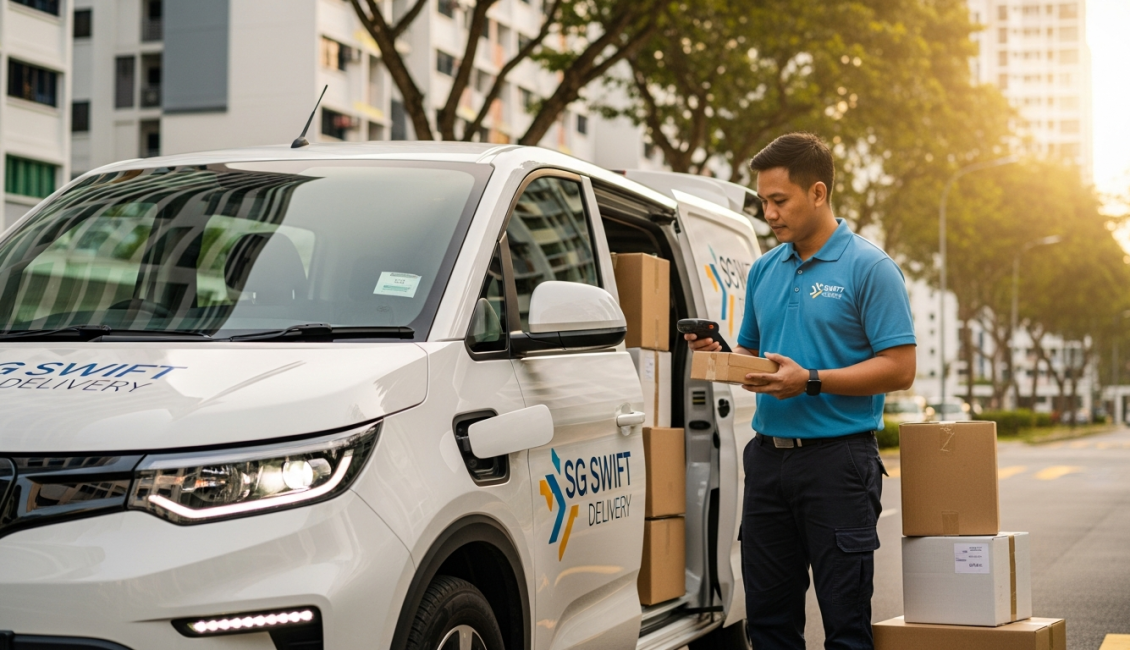
The state of last-mile local delivery in Singapore — 2025 snapshot
Singapore’s compact geography and dense urban fabric make last-mile delivery uniquely challenging and uniquely efficient. In 2025, residents expect faster fulfilment, transparent tracking and greener options. E-commerce continues to grow across categories — groceries, fashion, electronics and direct-to-consumer brands — and this demand places pressure on every Singapore logistics company to rethink routes, vehicles, storage and customer experience.
For businesses serving customers across HDB estates, condominiums and commercial precincts, a robust approach to local delivery Singapore is no longer a competitive advantage — it’s table stakes. The right last-mile partner reduces costs, improves customer satisfaction and helps meet sustainability goals required by corporate ESG commitments.
Why last-mile matters more in Singapore than ever
- Consumer expectations: Same-day or next-day delivery has shifted from ‘nice-to-have’ to expected for many product categories. Tracking with accurate ETAs influences repeat purchase behaviour.
- Urban constraints: Narrow streets, multi-storey carparks and strict unloading rules increase drop-off times and operational complexity.
- Returns and substitution: High return rates for apparel and electronics increase the importance of reverse logistics.
- Sustainability targets: Many companies are reducing carbon intensity of deliveries and embracing electrification and consolidation.
These factors make working with a specialist Singapore logistics company critical for retailers, marketplaces and DTC brands.
Major trends shaping last-mile operations in 2025
- Micro-fulfilment and distributed inventory: Urban micro-hubs and dark stores close to demand clusters reduce travel distance and support rapid fulfilment.
- Electrification of fleets: EVs and e-bikes are mainstream for urban deliveries, reducing operating costs and emissions in Singapore’s low-emission zones.
- AI route optimization and dynamic batching: Real-time traffic, predictive ETAs and machine-learning batching lower miles-per-delivery and improve on-time performance.
- Parcel lockers and contactless pickup: Locker networks in MRT stations, malls and neighbourhoods reduce failed deliveries and provide flexible pickup windows.
- Integrated returns and exchanges: Seamless pickup for returns at point of delivery or via lockers lowers friction for customers.
- Regulatory and infrastructure support: Government land use for logistics hubs, charging infrastructure rollout and incentives for green vehicles are changing the operating landscape.
These trends mean companies offering local delivery Singapore services must invest in both physical assets and digital platforms.
How to evaluate a Singapore logistics company for last-mile fulfilment
Choosing the right partner is a strategic decision. Evaluate prospects across these dimensions:
- Coverage and density: Does the provider cover all your delivery zones, including outlying areas and industrial estates? Check fulfilment speed to HDB clusters and PO boxes.
- Technology and integration: Look for API-driven tracking, real-time ETAs, proof-of-delivery captures (photo/POD) and seamless order management integrations.
- Flexibility of fulfilment: Can they support micro-fulfilment, split shipments, lockers and scheduled deliveries? Modern customers value delivery windows.
- Sustainability commitments: Verify EV adoption rates, carbon reporting and consolidation strategies to reduce empty miles.
- SLA and KPIs: Service-level agreements on delivery success rate, first-time delivery, and average delivery time are crucial.
- Pricing transparency: Clear rates by zone, surcharges (peak periods), and reverse logistics fees make budgeting predictable.
Partnering with an experienced Singapore logistics company that demonstrates proven urban delivery performance avoids costly transitions later.
Service models businesses can use for local delivery Singapore
- Dedicated fleet: Best for high-volume accounts needing brand control and white-glove service.
- Shared network (consolidated): Multiple shippers’ parcels are batched for route efficiency and lower cost-per-parcel.
- Crowdshipping/gig drivers: Flexible capacity for peak periods, but requires quality control and tech overlays for consistency.
- Parcel locker & collection points: Reduces failed deliveries and is ideal for customers who prefer pick-up convenience.
- Hybrid models: Combining dark stores, lockers and scheduled drivers delivers both speed and cost efficiency.
To compare providers, test a mix: run a pilot with standard orders, time-sensitive shipments and returns to measure performance.
Technology features that create a competitive edge
Modern local delivery hinges on software capabilities:
- Real-time tracking and proactive ETAs: Reduces customer service inquiries and improves conversion.
- Dynamic routing and load balancing: Reduces idle time and lowers driver hours.
- Webhooks & API integrations: Seamless order handoff, billing and status updates across systems.
- Driver apps with capture tools: Digital PODs, photos and signatures enhance delivery confirmation for high-value items.
- Analytics dashboards: Visibility into cost-per-delivery, heatmaps and zone-based performance drives continuous improvement.
When evaluating providers, ask for demos of their driver and customer-facing apps and request sample reports.
Pricing, KPIs and cost-control tactics
Key metrics to monitor:
- Cost per parcel: Direct delivery cost including fuel, labour and overheads.
- First-time delivery success rate: Failed attempts inflate costs dramatically.
- Average dwell time: Time spent finding parking, accessing blocks or using lifts.
- Carbon per delivery: Useful for ESG reporting and offset strategies.
Cost-control tactics include: consolidating orders into time windows, shifting to lockers for non-urgent parcels, routing that minimizes empty returns, and using e-bikes for short urban hops.
Consider working with a partner that provides transparent reporting and identifies savings opportunities by zone and time-of-day.
Operational checklist to launch or improve last-mile in 2025
- Map demand clusters: Identify top postal sectors by order volume and returns.
- Pilot micro-fulfilment: Test a small dark-store or pick-up point to assess improvements in lead time.
- Integrate systems: Connect your store or ERP to your chosen provider via API for live status updates.
- Test multiple service levels: Offer next-day, same-day and locker pickup to understand customer preferences.
- Monitor KPIs weekly for the first 90 days: Adjust routes, windows and batch rules based on real data.
- Implement green options: Offer customers low-carbon delivery choices and measure conversion.
If you need a provider capable of integrated fulfilment and urban delivery, explore companies that combine warehousing, technology and last-mile expertise like those offering advanced fulfilment services.
Use cases: What works best for different business types
- Grocery & perishables: Micro-fulfilment + same-day cold-chain delivery.
- Fashion/DTC: Scheduled windows + easy returns via lockers.
- Electronics & high-value goods: White-glove or signature-required options.
- Marketplaces: Consolidated network with flexible capacity and dynamic batching.
For rapid delivery and flexible pickup, many retailers now promote same-day delivery or locker pickup as premium options.
Final considerations for long-term success
Sustained excellence in local delivery Singapore requires continuous optimization: review your contract and KPIs annually, pilot technology upgrades that improve route efficiency, and collaborate with partners to reduce failed deliveries and returns. Logistics is both operational and digital — the best Singapore logistics company partners combine strong physical footprint with modern software, transparent pricing and clear sustainability goals.
If your strategy includes network densification, greener fleets and an API-driven customer experience, you’ll be well-positioned for the next wave of growth in Singapore’s urban delivery market. For businesses ready to scale urban fulfilment, working with a provider that understands local nuances and offers flexible logistics solutions will accelerate results.
Partner selection, thoughtful pilots and ongoing measurement are the levers that turn last-mile from a cost center into a customer loyalty driver. Explore proven providers that align to your service levels, cost targets and sustainability commitments to secure a resilient delivery strategy for 2025 and beyond.
Explore practical city delivery options and consider pilots that measure customer satisfaction, cost-per-delivery and carbon footprint before committing to long-term contracts.