
Introduction
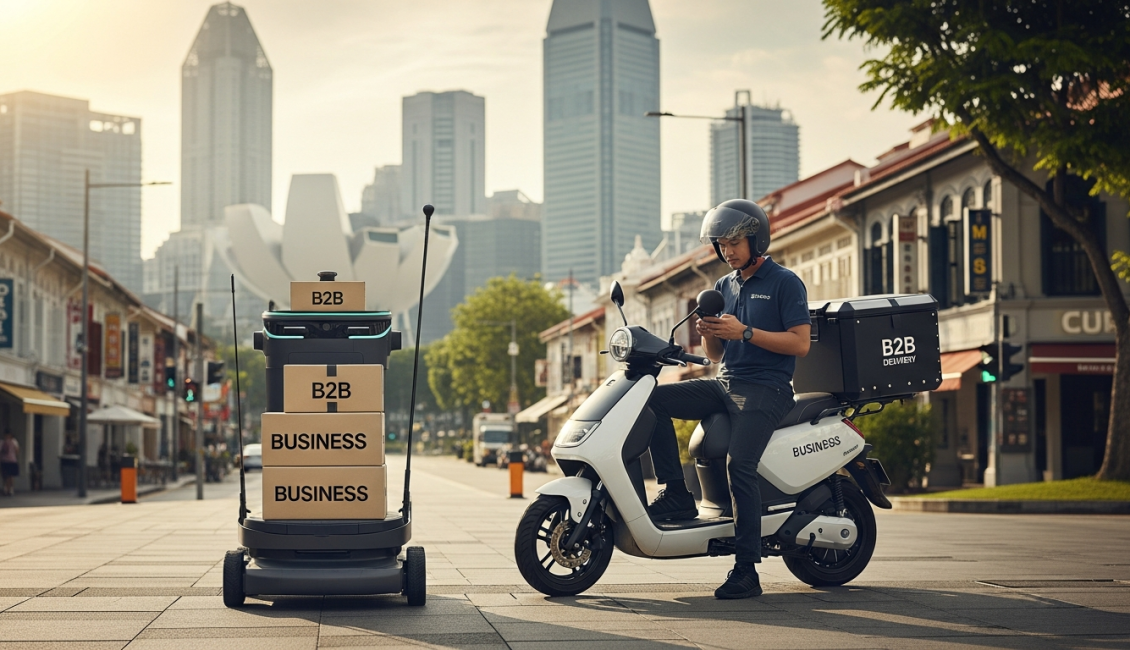
Singapore’s transport and logistics landscape has entered a phase of rapid refinement. As e‑commerce matures and businesses demand faster, more reliable distribution, two segments stand out: peer‑to‑peer (P2P) transport and B2B delivery. This article explores the practical trends shaping singapore p2p transport and b2b delivery singapore in 2025, focusing on technology, regulation, sustainability and the operational tactics companies must adopt to stay competitive.
Market context: why 2025 matters
Post‑pandemic buying habits, the rise of omnichannel retail and tighter cost pressures have accelerated demand for flexible delivery models. P2P transport — leveraging private drivers, vehicles and crowdsourced capacity — is increasingly used for everything from small parcel handoffs to on‑demand same‑day moves. At the same time, B2B delivery requirements have shifted from bulk, scheduled shipments to a mix of scheduled and on‑demand micro‑deliveries for SMEs and retail chains.
These shifts are creating hybrid models: platforms that combine crowd drivers with professional fleets, and logistics services that bundle B2B contracts with last‑mile agility. For enterprises seeking partners or platforms, evaluating reliability, compliance and tech capability is now as important as price. See a platform example here: b2b delivery Singapore.
Regulation and infrastructure — what to watch
Singapore’s regulators have taken a measured approach, balancing innovation with safety and urban efficiency. Important considerations in 2025 include:
- Licensing and insurance: Operators must ensure P2P drivers and gig couriers meet insurer and LTA criteria. Platforms that offer verified insurance coverage and driver checks reduce operational risk.
- Urban logistics planning: Increased allocation of curb space, micro‑hub pilot programs and loading bay management are supporting faster turnarounds in dense districts.
- Technology standards: Data sharing protocols for vehicle telematics and delivery status are becoming standardized to streamline multi‑carrier operations.
Businesses should monitor policy updates and work with partners who proactively demonstrate compliance. For a view on urban delivery solutions, review this last-mile solutions resource.
Technology trends powering P2P transport and B2B delivery
Technology is the engine behind improved reliability and lower costs. Key developments in 2025 include:
- Integrated APIs and orchestration platforms: Businesses expect API‑first logistics platforms enabling booking, tracking and billing through a single interface. This reduces integration friction for ERP and e‑commerce systems.
- AI‑driven route optimisation: Machine learning models now factor in real‑time traffic, micro‑time windows and multi‑drop priorities to reduce kilometers driven and improve punctuality.
- Real‑time visibility and proof of delivery: Mobile apps with photo proof, geofencing and instant POD reduce disputes and improve customer trust.
- Autonomous and electric pilots: Trials of automated micro‑vehicles and expanded e‑bike fleets are cutting last‑mile costs and noise in residential areas.
Companies that embrace platforms with open APIs and proven optimisation engines will see measurable gains. Explore a logistics platform example at logistics platform.
Sustainability and electrification — business benefits
Sustainability is no longer a nice‑to‑have. Mandates, tenant expectations and operating cost reductions push firms toward greener fleets. In 2025 the most impactful moves include:
- E‑mobility adoption: E‑bikes and electric vans lower variable fuel costs, reduce maintenance and meet urban low‑emission goals.
- Consolidated routing and micro‑hubs: Reducing empty runs and centralising consolidation lowers carbon and improves load factors.
- Packaging and reverse logistics: Reusable packaging and efficient returns management shrink waste and keep costs down.
Investing in green practices can also be a differentiator in procurement processes for B2B contracts and large retail partnerships.
Operational playbook for B2B delivery in Singapore
B2B delivery expectations differ from consumer parcels. Business customers demand reliability, SLAs and easy reconciliation. Practical steps for organisations:
- Segment customers by SLA needs: Prioritise express lanes for time‑sensitive clients and economy options for predictable, lower‑urgency consignments.
- Implement multi‑modal fleets: Combine owned vans, third‑party carriers and P2P capacity spikes to match demand peaks without heavy fixed costs.
- Standardise data exchanges: Use EDI or API feeds for automated manifests, PODs and invoicing to reduce manual reconciliation.
- Monitor carrier KPIs: Track on‑time delivery, claims frequency and damage rates. Regular reviews help optimise carrier mix and negotiate rates.
For solutions tailored to business customers, consider a provider with B2B features showcased here: b2b delivery Singapore.
How SMEs can leverage P2P transport
Small businesses often lack scale but can benefit from P2P models:
- On‑demand capacity: Use P2P for ad‑hoc large orders, urgent intra‑island transfers, or samples without long‑term contracts.
- Cost control via batching: Combine multiple local orders into single P2P runs to reduce per‑parcel costs.
- Simplified returns: P2P drivers can do reverse pickups during off‑peak trips, improving turnaround for exchanged goods.
When choosing P2P options, check platform vetting procedures and insurance cover to protect goods in transit. Find a P2P perspective at P2P transport.
Pricing and commercial models that make sense in 2025
Price pressure persists, but smarter commercial design helps maintain margins:
- Dynamic pricing with guardrails: Surge pricing for peak windows with predefined caps protects customers and drivers.
- Subscription models: Monthly volumetric packages provide predictable cost bases for frequent shippers.
- Hybrid cost sharing: Collaborate with partners to co‑fund micro‑hubs or shared fleets in high‑demand districts.
Transparent pricing and flexible bundles are winning criteria in supplier selection processes.
Measuring success: KPIs to track
To quantify performance improvements, focus on:
- On‑time delivery rate
- Cost per successful delivery (including returns)
- Utilisation rate of vehicles and drivers
- Claims and damage rate
- Carbon emissions per parcel
Regularly auditing these KPIs helps identify friction points and validate investment in tech or fleet changes.
Future outlook and practical next steps
Over the next 12–24 months, expect more convergence: P2P capacity integrated into professional B2B networks, wider rollout of electric micro‑fleets, and expanded micro‑fulfilment in retail hubs. For Singapore businesses, practical next steps are:
- Audit current delivery spend and SLA performance to identify biggest pain points.
- Pilot API integrations with a single logistics partner to test orchestration and visibility.
- Trial electric or shared fleets in high‑density catchments to evaluate cost savings and customer experience improvements.
Learn more about implementation options and partner features at singapore p2p transport.
Conclusion
Singapore’s logistics ecosystem in 2025 rewards agility, transparency and sustainable operations. Whether you are leveraging singapore p2p transport for quick capacity bursts or scaling b2b delivery singapore operations across multiple channels, the strategic use of technology, clear compliance practices and smart commercial models will determine winners. Organisations that act now—optimising routes, integrating APIs and piloting green fleets—will reduce cost per delivery, improve reliability and position themselves for the next wave of urban logistics innovation.