
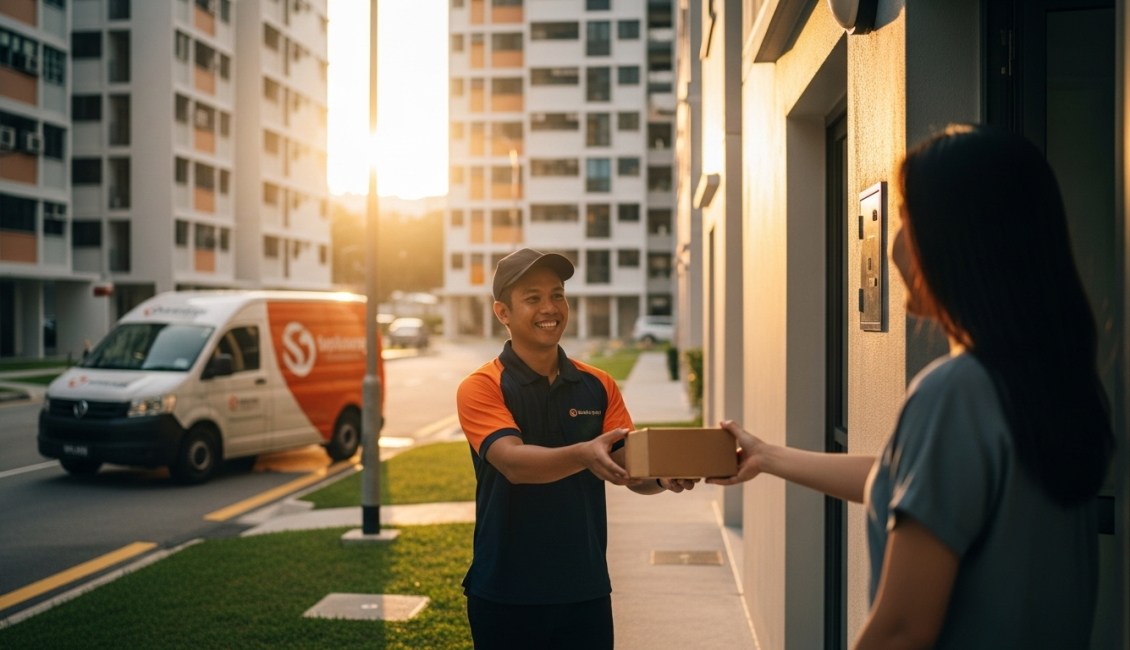
Singapore’s compact geography and dense consumer market make local delivery more than a convenience — it’s a competitive necessity. Whether you’re an online retailer, F&B operator, or a household sending parcels across town, choosing the right provider affects cost, customer satisfaction, and operational resilience. This article unpacks what good local delivery looks like in Singapore and how to identify truly reliable transport services.
Why local delivery matters in Singapore
E-commerce penetration and on-demand expectations are driving big shifts in how goods move across the island. With same-day expectations now mainstream for many customers, businesses that offer efficient, transparent, and affordable delivery options gain a real advantage. For businesses targeting urban customers, optimizing local delivery is not just logistics — it’s part of the product experience.
For consumers, fast deliveries paired with accurate ETAs and contactless options are table stakes. For businesses, reliable fulfillment minimizes returns, reduces customer service load, and strengthens repeat purchases. When exploring providers, start by assessing coverage across neighbourhoods, typical transit times, and how the provider handles peak periods and exceptions. For a practical example of a service that balances speed and coverage, consider researching local delivery Singapore providers like local delivery Singapore.
What defines reliable transport services in Singapore?
Reliability goes beyond showing up on time. It’s a combination of operational robustness, transparency, and the ability to recover from disruptions. Key attributes include:
- Clear SLA commitments: defined pickup and delivery windows, with remedies for missed commitments.
- End-to-end visibility: real-time tracking for both sender and recipient, plus proof of delivery.
- Redundancy: backup capacity or partner networks for peak days and unexpected demand spikes.
- Compliance and insurance: adequate cargo insurance and compliance with Singapore’s transport and data regulations.
When a provider consistently delivers on these points, you get fewer customer complaints, lower dispute resolution costs, and a steady NPS boost. If you’re evaluating options, look for providers who advertise measurable KPIs and then verify them through trial runs. For information about dependable options, review listings under reliable transport services Singapore.
Key features to prioritise when selecting a service
Choosing a delivery partner is a trade-off between speed, cost, and service quality. Here are features that matter most in the Singapore context:
- Real-time tracking and notifications: Customers expect live ETAs and proactive alerts for delays or failed attempts.
- Same-day and express options: For perishable goods and impulse purchases, same-day delivery increases conversion rates. Many providers now combine hub-and-spoke models with micro-fulfilment nodes to make this viable.
- Transparent pricing: Clear rate cards with surcharges (e.g., oversized items, stairs, or remote locations) prevent surprises.
- Proof of delivery: Photo, signature, or OTP verification reduces fraud and disputes.
- Returns and reverse logistics: Easy, low-cost returns are now a competitive differentiator for retailers.
If same-day capability is a priority for your customers, consider providers that list explicit commitments and use technology to optimise routes. For a provider with strong same-day frameworks, see same-day delivery.
Practical checklist for businesses (SMEs and larger merchants)
Before signing a long-term contract, run this checklist:
- Pilot a representative sample of deliveries across different locales and times of day.
- Test customer-facing communications: are SMS or app notifications clear and timely?
- Verify how exceptions are handled: damaged items, failed attempts, or address clarifications.
- Assess reporting: can you extract delivery performance data weekly or monthly for analytics?
- Evaluate integration: does the provider offer APIs or plugins for your e-commerce platform or WMS?
A short pilot reveals operational nuances that marketing collateral often omits. It also allows you to compare actual performance against promised SLAs.
Cost considerations and pricing models
Transport services in Singapore typically adopt one or more pricing models:
- Per-item or per-kilogram charges: straightforward for parcel-focused businesses.
- Zone-based pricing: useful when deliveries cross defined geographic bands.
- Subscription or contracted capacity: predictable monthly costs and priority capacity for high-volume shippers.
- Dynamic or surge pricing: applies during peak seasons or severe demand spikes.
Understand which model aligns with your order profile. High-volume, predictable flows often benefit from contracted rates, while low-volume merchants may prefer per-delivery pricing to avoid commitment risk.
Last-mile optimisation strategies
The last mile accounts for a major slice of delivery costs. Efficiency gains here translate directly to margin improvements.
- Route optimisation and batching: algorithms that cluster nearby deliveries reduce mileage and driver time.
- Micro-fulfilment and dark stores: placing inventory closer to dense customer pockets shortens delivery windows.
- Contactless handovers and locker networks: reduce failed attempts and improve throughput.
- Crowd-sourced or gig economy options: flexible capacity to handle spikes, though quality controls are essential.
Consider working with a partner who offers a suite of last-mile solutions rather than a one-size-fits-all approach. If you want partners experienced in last-mile optimisation, review offerings under last-mile delivery.
Technology and sustainability trends shaping transport services
Several trends are reshaping logistics in Singapore:
- Route AI and predictive ETAs: machine learning models that account for traffic, weather, and historical patterns improve punctuality.
- Electric vehicles (EVs) and e-bikes: as the city explores greener fleets, EV adoption reduces emissions and often lowers operating costs over time.
- Contactless engagement: QR codes, OTP verification, and app-based handovers are now standard.
- Micro-warehousing: retailers use smaller, strategically located nodes to shorten delivery radii.
- Data-driven optimisation: using delivery analytics to identify repeat problem areas and reduce failed delivery rates.
Sustainability is increasingly a commercial differentiator. Consumers and corporate buyers give preference to providers that can demonstrate reduced carbon impact and responsible packaging.
For businesses seeking a modern, tech-enabled logistics partner that emphasises both efficiency and sustainability, explore firms marketing themselves as a strategic logistics partner.
Regulatory and practical pointers for local operators
Singapore’s regulatory landscape supports efficient freight movement but does require attention to detail:
- Ensure compliance with vehicle licensing and Goods in Transit insurance rules.
- Be mindful of HDB delivery constraints and estate-specific rules for loading/unloading.
- For cross-border or customs-related shipments (e.g., small-scale imports), confirm documentation and duties early to avoid delays.
Clear standard operating procedures and driver training reduce regulatory friction and lower the chance of fines or service interruptions.
Final considerations: balancing speed, cost and reliability
Optimising local delivery in Singapore requires a strategic blend of technology, process discipline, and the right commercial model. Prioritise providers that offer transparent SLAs, visible tracking, and demonstrated capacity to manage peaks. Remember: the cheapest option may increase hidden costs through failed deliveries, customer churn, and reputational damage.
Choosing a reliable transport service is a long-term decision that affects customer experience and operational margins. Make decisions based on measured performance, not promises, and use short pilots to validate claims before scaling.
This balanced approach ensures you deliver what customers expect: timely, transparent, and secure deliveries that keep your brand competitive across Singapore’s dynamic market.